
Supplement store · Shopify
WU Nutrition
I run online sales for a client, a supplement brand. That includes the store, the advertising that brings visitors, the numbers that show what works, and the AI assistant that helps sell. I set it up so their team can run it without depending on me.
- Work for a brand
- type of project
- Shopify · Liquid
- main tools
- 5
- real screenshots of the project
01 · The challenge
What was going on
Context
WU Nutrition sells supplements through its own store and also on Amazon and Mercado Libre. The underlying challenge is that whatever an ad promises has to still be true when the person lands on the page, picks a product, pays, and comes back months later.
The problem
There were many separate initiatives, each solving its own piece. What was missing was pulling them into something reusable the team could move without every change becoming a new project.
My part
I run their ecommerce end to end. I propose where it is going, and I also do the work: design, code the store, dig into why people are not buying, run the advertising, and build the automations.
02 · How I solved it
How I decided to solve it
- 01
See the ad, the page it lands on, the catalog, the product, and the cart as one path the customer walks, instead of five pieces each person handles separately.
- 02
Keep the store blocks configurable, so the team launches campaigns and changes content without asking a developer for anything.
- 03
Use AI where it genuinely helps, always with real prices and data behind it and a person deciding at the end.
03 · What I made
What got built
- A set of blocks for assembling campaign pages, the homepage, the catalog, and product pages without starting from scratch.
- A side cart that shows how much is left to the next perk, suggests products, and always reflects real stock.
- An assistant that answers buying questions, the automated customer emails, and the dashboard where you see whether any of it is working.
04 · Charts
The numbers as charts
WU-SYS
DTC experience system
Layers that should read as one journey, not isolated initiatives.
WU-AI
Assistant architecture
AI structures language; the server validates prices and promotions.
05 · The product
Explore the project
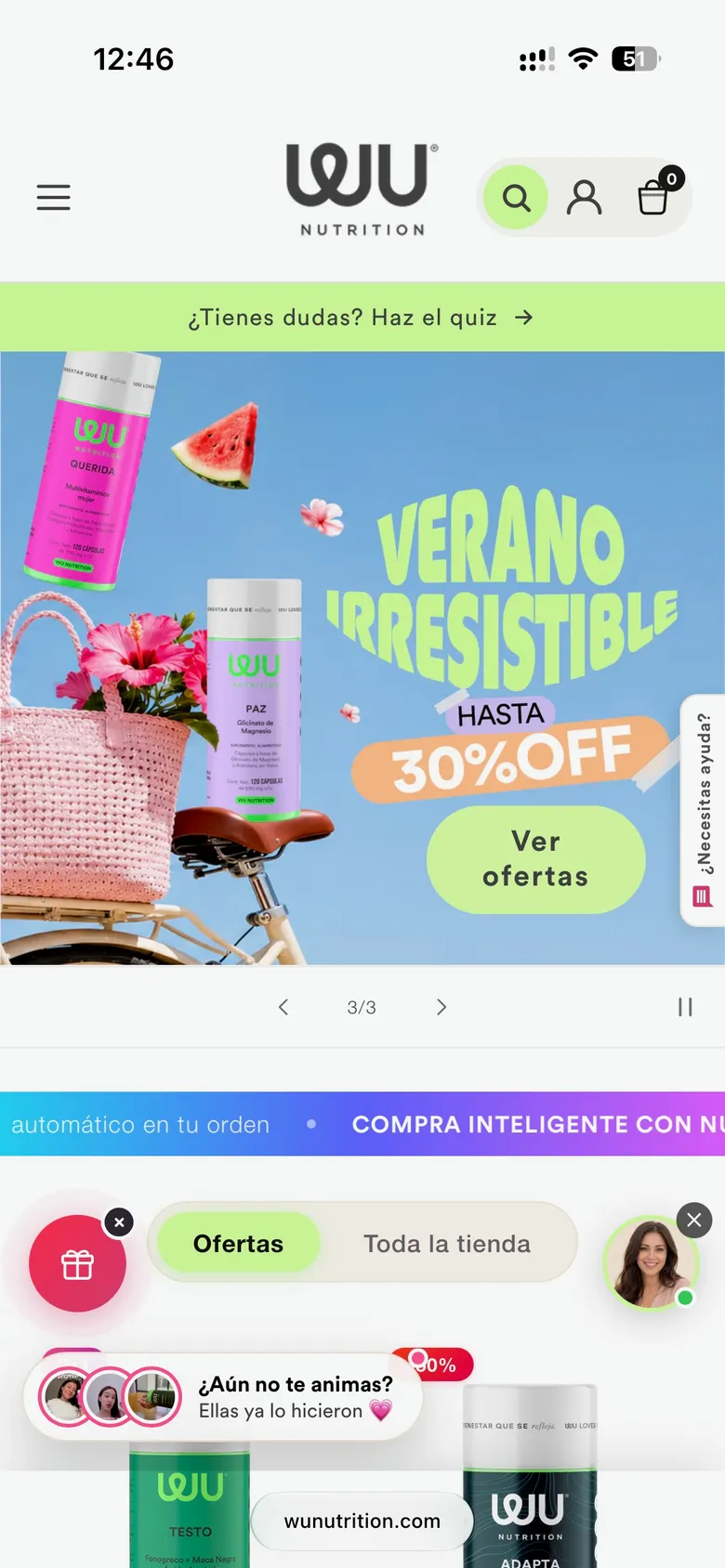
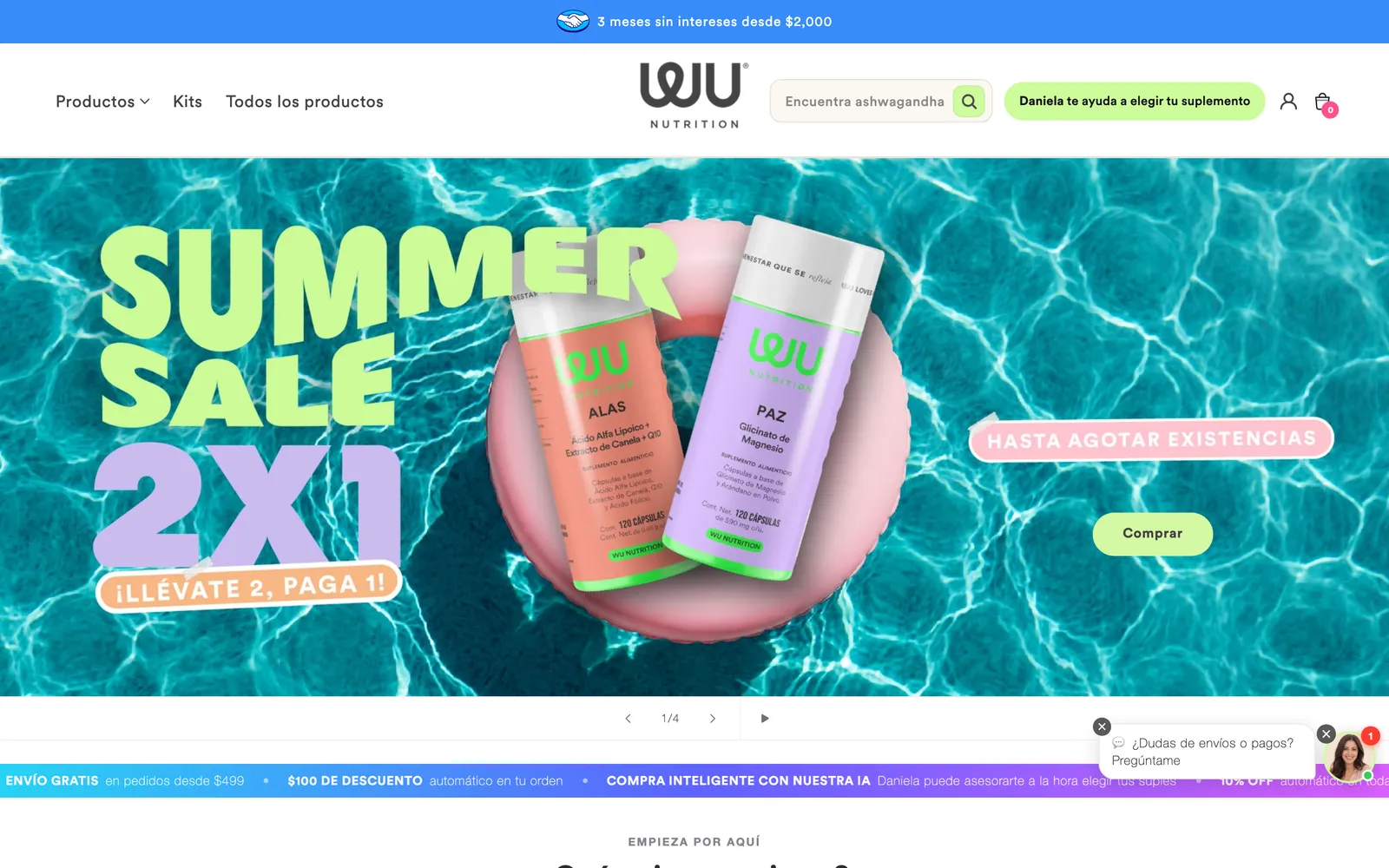
01 Campaign, quiz, and assistance coexist without stealing the primary CTA.
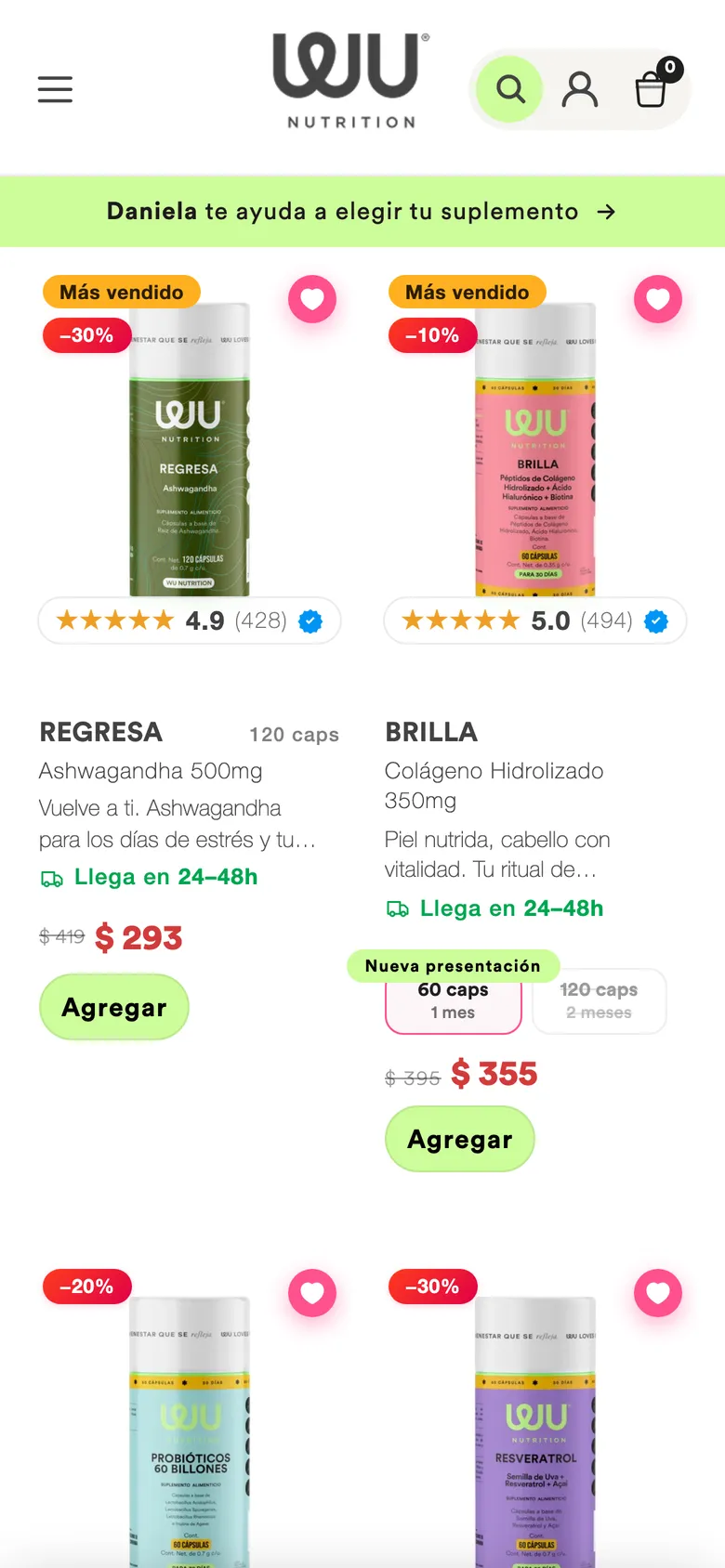
02 Cards that sell: struck-through price, verified rating, variants, and visible logistics.
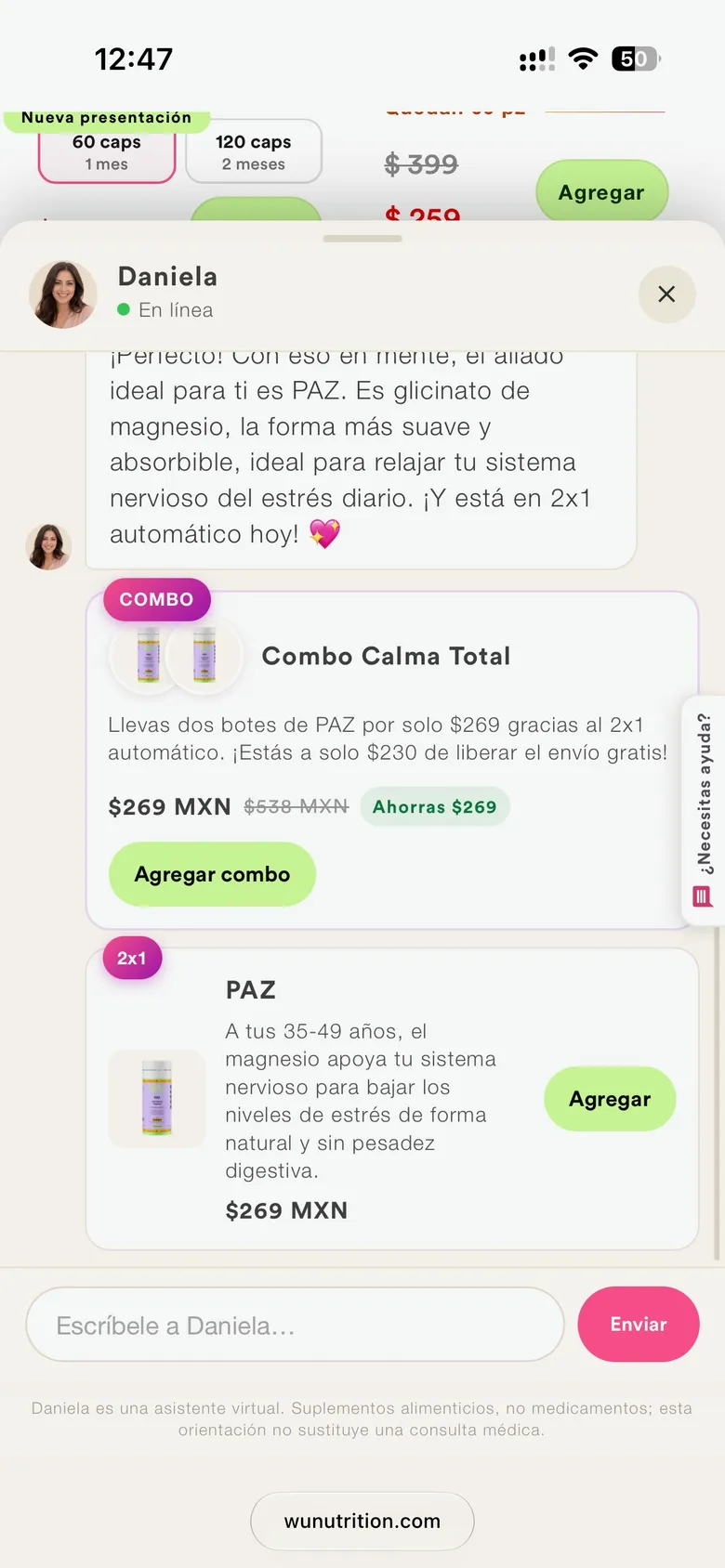
03 AI turns context into an offer: a 2x1 combo with visible savings and add-to-cart in chat.
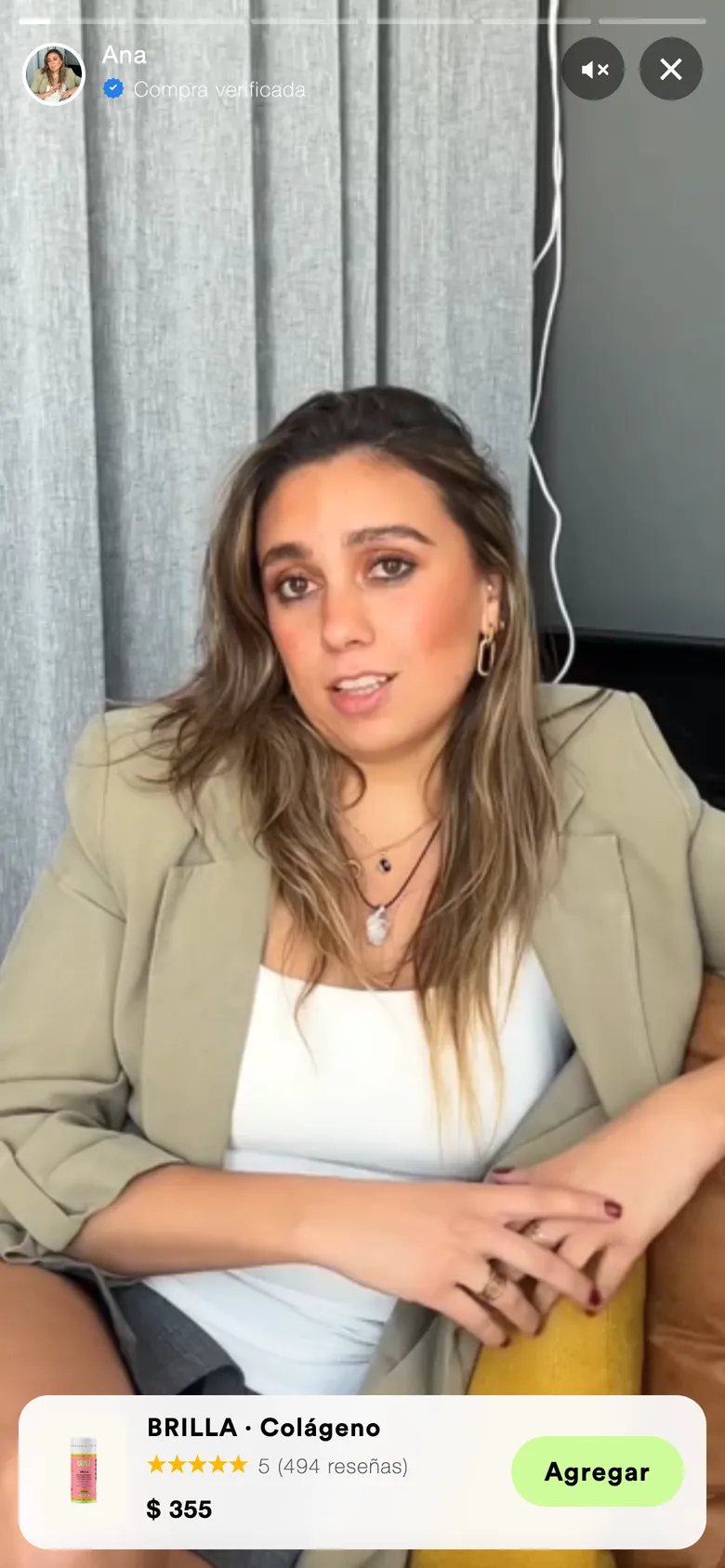
04 Shoppable social proof: a real testimonial with an add-to-cart overlay.
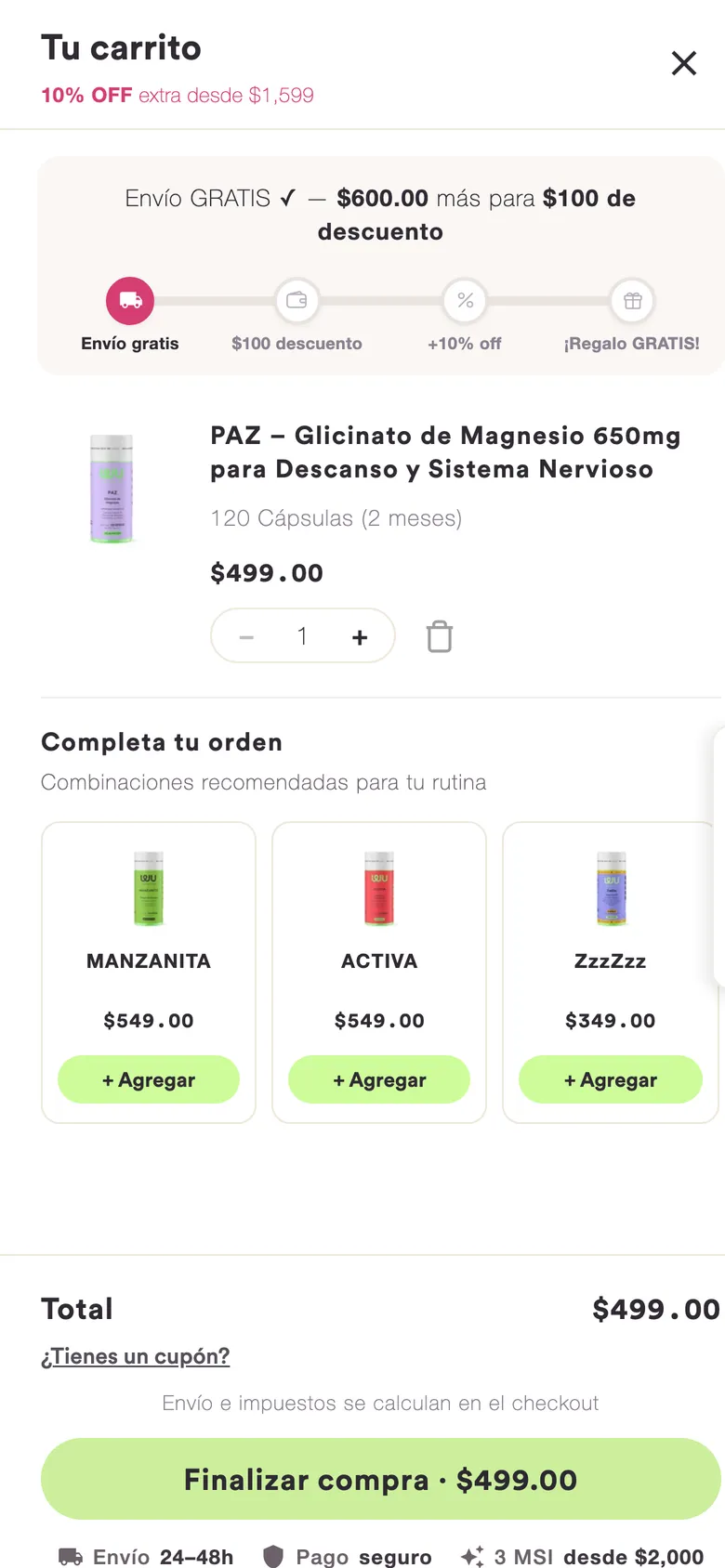
05 The cart grows the ticket: free shipping earned and the next reward in sight.
06 · How it turned out
What changed in the end
Launching a campaign stopped being a development job: it is assembled from blocks that already exist.
The store, the advertising, the emails, and the numbers stopped living in separate tools.
What I would not compromise on
- What the ad promises has to hold up on the page.
- The team should manage on its own, without depending on me.
- AI proposes; the business decides.
07 · Technology
What it is made with
- ShopifyShopify
- ShopifyLiquid
- HTMLHTML
- CSSCSS
- JavaScriptJavaScript
- CloudflareCloudflare Workers
- GeminiGoogle Gemini
- PythonPython
- Klaviyo
- Google Analytics 4GA4
- Google Tag ManagerGTM
- Looker StudioLooker Studio
- StreamlitStreamlit


More cases
Other projects you can review
 AHP+ — Agent Handoff Protocol PlusAHP+ keeps the thread of the work inside the project: what was done, what was checked, and what comes next. You can switch assistant, account, or computer without starting over.See the case
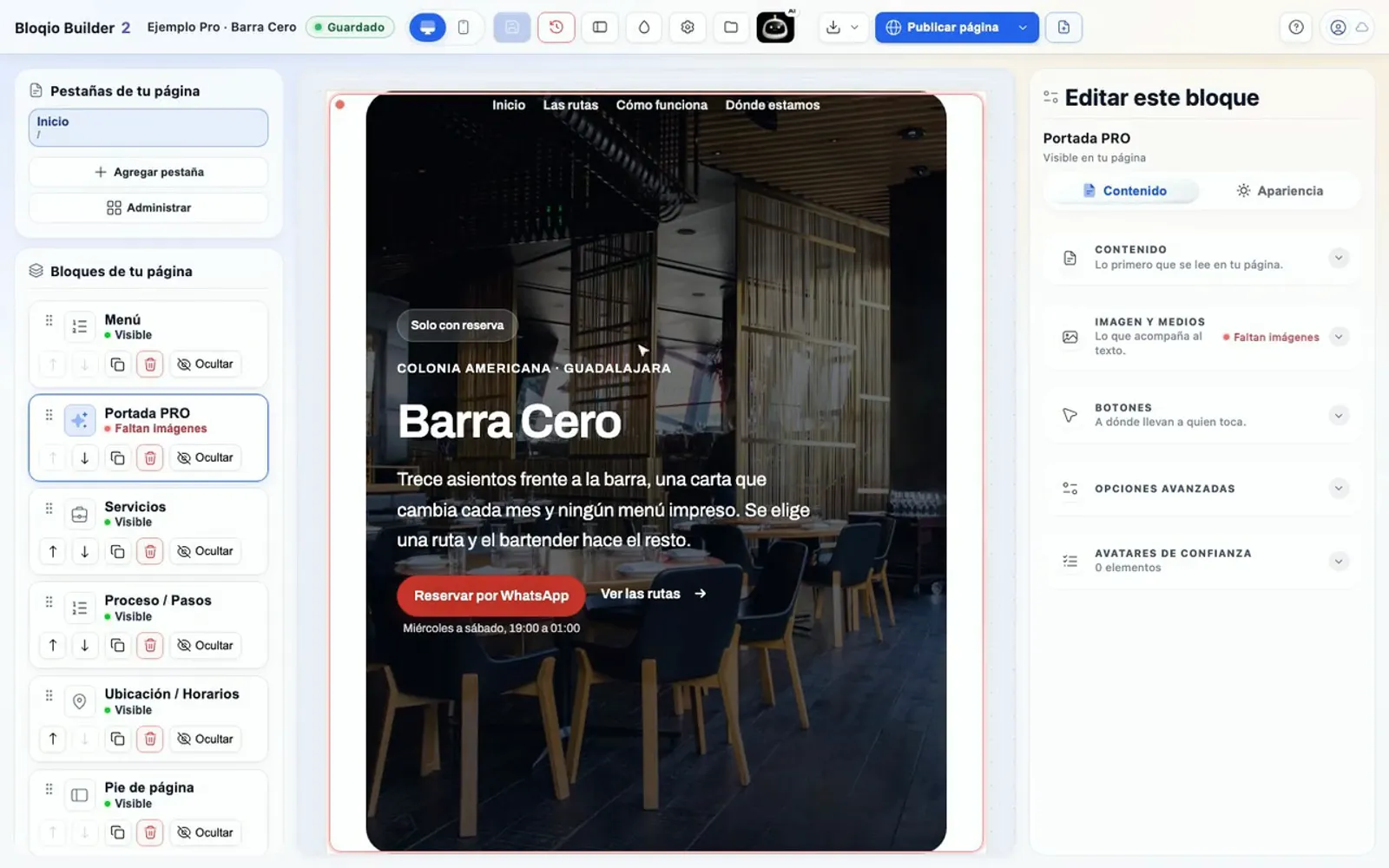 Bloqio BuilderYou tell it what your business needs and it builds the page. You see every block, can edit it by hand, and can undo whatever the AI suggested. You decide when it gets published.See the case
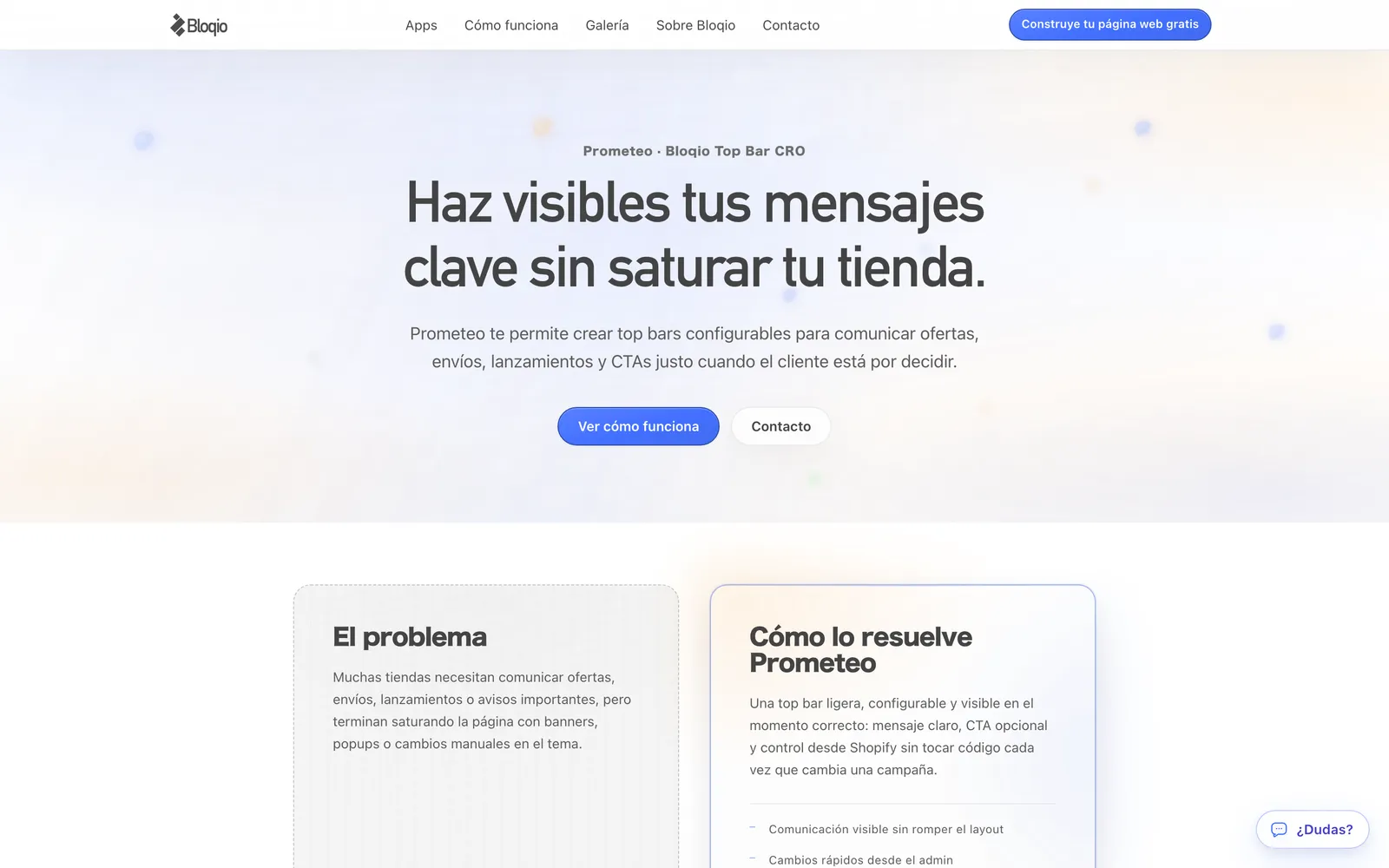 Bloqio CRO Apps — Prometeo / HermesTwo apps any Shopify store can install: an announcement bar at the top for promotions, and a buy button that stays visible while people scroll down the page.See the case
Want something like this for your business?
If your ads bring visitors but not sales, tell me what you sell and I will go through it with you.